A Symbolic Gesture in Cremona
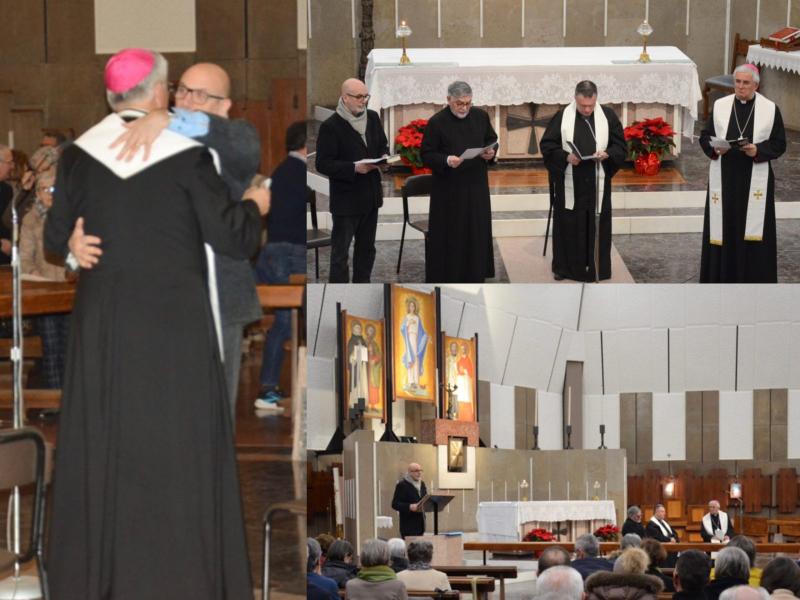
On Sunday, January 18, 2026, a moment occurred in Italy that has sent ripples through the global Seventh-day Adventist community. During an ecumenical prayer vigil held in the Seminary church of Cremona, Adventist Pastor Giovanni Caccamo publicly embraced Roman Catholic Bishop Antonio Napolioni. This gesture, while framed as an act of Christian unity for the “Week of Prayer for Christian Unity,” represents a significant shift in denominational boundaries that many believers find deeply troubling.
The vigil was not a casual meeting; it was a formal, presided event involving representatives from four major denominations: the Roman Catholic Church, the Romanian Orthodox Church, the Waldensian Methodist Church, and the Seventh-day Adventist Church. For those who track the progress of the Ecumenical Charter—a document Caccamo previously signed affirming faith in “one holy Catholic Apostolic Church”—this latest interaction in Rome’s embrace is seen as a fulfillment of a specific prophetic trajectory.
The Theological Cost of Common Ground
The core of the controversy lies in the tension between interfaith diplomacy and the distinctive pillars of the Adventist faith. Historically, the “Remnant Church” has viewed its mission as one of a “watchman,” tasked with delivering the Three Angels’ Messages—a warning that explicitly identifies the theological dangers of the papacy. When leaders seek common ground at the expense of these specific doctrines, the result isn’t just a friendly handshake; many argue it is a fundamental surrender of identity.
As noted in Testimonies for the Church, the line of distinction between those who worship according to the commandments of God and those who follow the requirements of the beast is supposed to be clear. When Adventist ministers engage in ecumenical worship under Roman Catholic leadership, that line becomes blurred. The question being asked in pews across the world is simple: Who truly benefits from this silence? If the distinctive truths entrusted to the Reformation are set aside to foster a “universal fraternity,” the mission given to the world is effectively neutralized.
Waking the Watchmen
There is a growing concern that the current era of Adventism has become too comfortable. Institutions are prosperous, and the desire for social and political acceptance often outweighs the duty to proclaim “Present Truth.” From environmentalism to ecumenism, the focus of church officials is increasingly shifting toward issues that align with Rome’s global agenda, rather than the testing message intended for this emergency hour of earth’s history.
The Bible and the Spirit of Prophecy are clear: unity is never to be purchased at the price of compromise. Jesus Himself never sought peace by indulging in the errors of those around Him. Loyalty to God requires a voice that refuses to remain silent, even when the pressure to unify is at its peak. As we move further into 2026, the events in Cremona serve as a wake-up call. We are instructed to be kind and true, but we are also warned not to unify with those who depart from the faith. The call to “Wake up the watchmen” has never been more relevant.